Ice Skating Rink Startup Cost: How Much Does It Really Cost to Open One?
Opening an ice skating rink can be an exciting business opportunity, especially in areas where families, sports enthusiasts, and tourists are looking for recreational activities. From public skating sessions and birthday parties to hockey training and figure skating lessons, an ice rink can attract different types of customers throughout the year. However, before starting this business, understanding the ice skating rink startup cost is essential.
The investment depends on the type of rink you want to operate, the size of the skating surface, your location, and whether you choose real refrigerated ice or synthetic panels. A small synthetic skating setup may require a relatively modest investment, while a permanent indoor ice arena can cost millions of dollars to construct and equip.
In this guide, we’ll break down the estimated startup costs, essential equipment, building expenses, ongoing operating costs, and potential revenue sources. You’ll also learn which type of rink may be suitable for your budget and how to plan your investment before opening.
How Much Does It Cost to Start an Ice Skating Rink?
Starting an ice skating rink can cost approximately $150,000 to more than $46 million, depending on the business model and facility size. A small seasonal or synthetic rink generally requires less capital, while a permanent indoor arena with refrigerated ice, spectator seating, locker rooms, and commercial facilities requires a much larger investment.
Here is a general comparison of different rink types:
| Type of Ice Skating Rink | Estimated Startup Cost |
|---|---|
| Small synthetic ice rink | $150,000–$400,000 |
| Small commercial or converted facility | $1.5 million–$4 million |
| New single-sheet indoor arena | $10 million–$20 million |
| Large twin-sheet arena | $37.6 million–$46 million+ |
These are broad planning estimates rather than guaranteed construction quotes. Some smaller real-ice installations may cost less than a complete commercial facility, but their building, site preparation, and supporting infrastructure may not be included.
For example, synthetic ice can be a practical starting point for entrepreneurs who want to test local demand without installing an expensive refrigeration system. On the other hand, a traditional indoor rink offers the real-ice experience needed for many hockey and figure skating programs.
What Factors Affect Ice Skating Rink Startup Cost?
Several factors determine how much money you need before opening your rink. Understanding them early can help you avoid unnecessary expenses and choose a facility that matches your business goals.
1. Type of Ice Skating Rink
Your choice between synthetic and refrigerated ice has a major impact on the initial investment.
A synthetic rink uses specially manufactured polymer panels that create a skating surface without traditional ice-making equipment. It eliminates the need for refrigeration and continuous ice resurfacing.
A real-ice rink requires a refrigeration system, insulated flooring, specialized plumbing, humidity control, and regular ice maintenance. These requirements increase both construction and operating expenses.
2. Rink Size and Capacity
A small recreational rink requires less material, equipment, and space than a full-size arena. However, a larger facility can accommodate more customers, group bookings, hockey programs, and special events.
Consider how many skaters you expect to serve during each session before choosing your rink dimensions.
3. Location and Building Requirements
The cost of land, rent, construction labor, utilities, and permits varies by location. An existing commercial building may reduce some construction expenses, but it must be suitable for the weight, ventilation, electrical requirements, and temperature control of an ice rink.
4. Additional Customer Facilities
Locker rooms, restrooms, seating areas, skate rental counters, cafés, and party rooms improve the customer experience but increase your startup budget.
You don’t necessarily need every additional facility when starting small. Focus on the services your target customers are most likely to use.
Synthetic Ice vs. Real Ice: Which Is More Affordable?
Choosing the right skating surface is one of the most important financial decisions when planning an ice rink business.
Both options have advantages, but their costs and operating requirements are quite different.
Synthetic Ice Rinks
Synthetic ice is made from specialized polymer panels that fit together to create a skating surface. Customers can use regular ice skates, although the skating experience and glide may differ from traditional refrigerated ice.
Main advantages include:
- No refrigeration equipment is required.
- Electricity consumption for ice cooling is eliminated.
- Installation can be easier in suitable existing spaces.
- Seasonal and temporary installations are possible.
- Ongoing maintenance is generally simpler.
The main expenses include purchasing the panels, preparing the floor, installing the skating surface, buying rental skates, and setting up customer facilities.
Synthetic ice can be particularly attractive for shopping malls, entertainment centers, seasonal attractions, and smaller recreational businesses.
Real Refrigerated Ice Rinks
Traditional ice rinks use refrigeration systems to maintain a frozen skating surface. They are suitable for public skating, hockey, figure skating, and other activities that require conventional ice.
However, installing real ice involves several specialized components:
- Refrigeration compressors and chillers.
- Insulated concrete slabs and cooling pipes.
- Dehumidification and HVAC systems.
- Ice resurfacing equipment.
- Protective boards and safety barriers.
Real ice also requires continuous monitoring and maintenance. Electricity consumption, water usage, mechanical servicing, and staffing contribute to the operating budget.
Which Option Should You Choose?
If your main goal is to open a smaller recreational attraction with limited infrastructure, synthetic ice may be the more affordable option.
If you want to operate a professional skating facility, offer hockey programs, or attract competitive figure skaters, a traditional ice rink may be more appropriate.
The best choice depends on your target customers, available capital, and the type of skating experience you want to provide.
Ice Skating Rink Startup Cost Breakdown
Beyond purchasing or installing the skating surface, you’ll need to budget for several other expenses. Some costs are easy to overlook during the initial planning stage but can significantly affect your total investment.
1. Land, Building, or Facility Rental
Your location is one of the first major expenses.
You can purchase land and construct a new facility, lease an existing commercial building, or convert a suitable warehouse into an ice skating venue.
Building a new arena gives you more control over its design, but it requires substantial capital. Leasing or renovating an existing property may reduce the initial investment if the building already has suitable infrastructure.
Before signing a lease, check ceiling height, floor condition, electrical capacity, ventilation, parking, and local zoning requirements.
2. Refrigeration and Cooling Systems
If you’re installing a real-ice rink, refrigeration is one of the most important investments.
The system maintains the ice temperature through specialized cooling equipment and pipes installed beneath the skating surface.
Your budget may include:
- Industrial chillers and compressors.
- Refrigerant and circulation equipment.
- Underfloor cooling pipes.
- Insulation and temperature controls.
- Installation and professional engineering.
A smaller refrigeration installation may cost hundreds of thousands of dollars, while a complete system for a large arena can require a considerably higher investment.
Synthetic ice businesses can avoid this entire category of cooling expenses.
3. Ice Resurfacing Machine
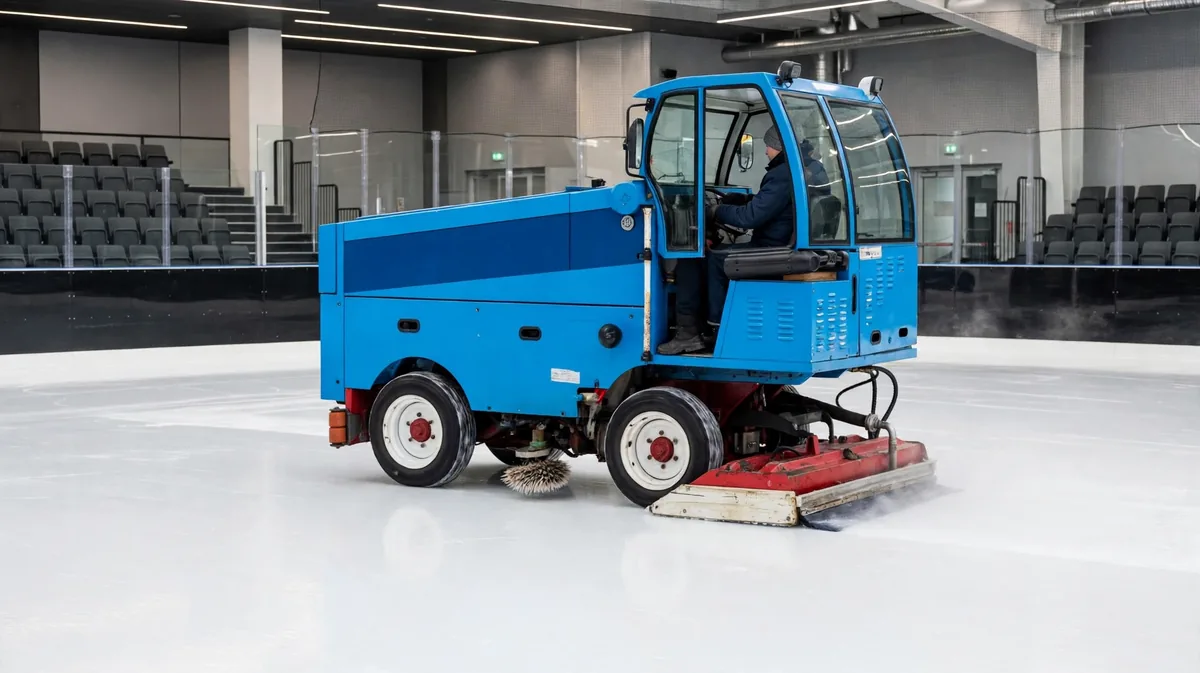
A real-ice rink needs an ice resurfacing machine to maintain a smooth skating surface.
Machines commonly known as Zambonis remove uneven ice, distribute water, and help create a smoother surface between skating sessions.
You can purchase new or used equipment, depending on your budget and maintenance requirements. Leasing may also be worth considering if you want to reduce the upfront equipment expense.
Synthetic ice does not require traditional ice resurfacing machines.
4. Skates and Rental Equipment
Most public skating facilities provide rental skates for customers who don’t own their own equipment.
Your initial inventory should include different skate sizes for children and adults. You’ll also need suitable storage racks, fitting benches, and equipment for sharpening and maintaining rental skates.
Other useful items include:
- Helmets and protective gear.
- Skating aids for beginners.
- Skate guards.
- Rental counters and storage shelves.
- Benches and customer seating.
The number of rental skates you purchase should reflect your expected customer capacity.
5. Safety Barriers and Rink Boards
Safety equipment is essential for any commercial skating facility.
Real-ice rinks generally require protective boards around the skating surface, along with suitable barriers and glass where necessary.
You may also need entrance gates, handrails, skating aids, emergency exits, first-aid supplies, and clearly displayed safety instructions.
These features protect customers while helping your business operate in accordance with applicable safety requirements.
6. HVAC, Lighting, and Electrical Systems
Indoor ice rinks need appropriate ventilation, humidity control, lighting, and electrical infrastructure.
Humidity management is especially important in real-ice facilities because excess moisture can create condensation, fog, and frost-related problems.
Lighting should provide good visibility across the skating surface without creating uncomfortable glare.
Energy-efficient systems may cost more initially but can help reduce long-term utility expenses.
7. Interior Setup and Customer Facilities
A welcoming facility can encourage visitors to stay longer and return.
Depending on your business model, consider adding:
- Reception and ticket counters.
- Changing rooms and lockers.
- Restrooms.
- Waiting areas and spectator seating.
- Snack bars or cafés.
- Birthday party rooms.
- Retail space for skating accessories.
Start with the facilities your customers genuinely need. Additional amenities can be introduced as your business grows.
What Are the Ongoing Operating Costs of an Ice Skating Rink?
Opening the rink is only the beginning. You must also have enough working capital to cover regular expenses after the business starts operating.
Good planning also means managing cash flow in a small business carefully, so regular expenses do not catch you off guard.
Electricity and Utilities
Electricity is a major operating expense for traditional ice rinks because refrigeration equipment must maintain the frozen surface.
Lighting, ventilation, water heating, and other building systems also contribute to monthly utility bills.
Synthetic ice facilities generally have lower energy requirements because they don’t need continuous ice cooling.
Employee Salaries
Depending on your facility size, you may need employees for several responsibilities:
- Front desk and ticket sales.
- Skate rental and equipment management.
- Ice maintenance.
- Cleaning and facility maintenance.
- Skating instructors.
- Security and customer assistance.
- Management and administration.
You should also account for training, payroll taxes, and employee benefits where applicable.
Insurance and Safety Expenses
An ice skating rink involves physical activities, so insurance should be an important part of your financial planning.
Depending on your location and operations, you may need general liability coverage, property insurance, workers’ compensation, and other suitable policies.
Consult an insurance professional to understand the coverage requirements for your specific business.
Equipment Repairs and Maintenance
Refrigeration equipment, rental skates, lighting, HVAC systems, and other machinery require regular inspection and servicing.
Set aside money for unexpected repairs instead of spending your entire startup budget on construction and equipment.
Marketing and Advertising
You need a way to attract customers before and after opening.
Your marketing budget may cover social media promotions, local advertising, opening-day events, promotional offers, partnerships with schools, and community sponsorships.
Building relationships with local sports clubs and schools can also help generate repeat business.
How Does an Ice Skating Rink Make Money?

An ice skating rink can generate income through multiple services rather than depending entirely on individual skating tickets.
Diversifying your revenue streams can help attract different customer groups and improve business stability.
1. Public Skating Sessions
Public skating is one of the main revenue opportunities. Customers pay an admission fee to use the rink during scheduled sessions.
You can introduce different ticket prices for adults, children, families, and group visitors.
2. Skate Rentals
Rental skates provide an additional source of income.
Customers who don’t own skates can pay a rental fee alongside their admission ticket. Offering a range of sizes and maintaining clean equipment can improve the experience.
3. Skating Lessons
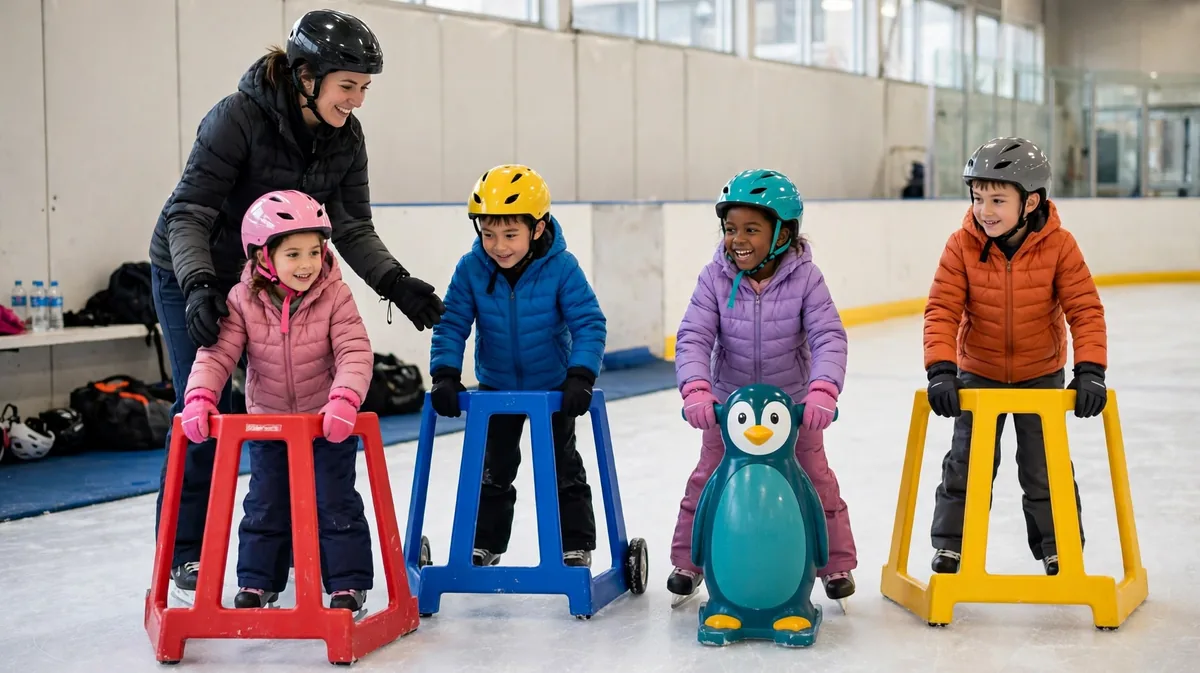
Beginner lessons can attract children, adults, and people who want to develop their skating skills.
You can offer individual instruction, small-group lessons, and structured beginner programs.
4. Birthday Parties and Private Events
Birthday celebrations, school outings, corporate gatherings, and private skating sessions can create additional revenue opportunities.
You can offer packages that combine rink access, skate rentals, refreshments, and private party space.
5. Hockey and Figure Skating Programs
If your facility has real ice and suitable equipment, you may be able to rent ice time to hockey teams, figure skating clubs, and training organizations.
Regular bookings can help generate predictable revenue.
6. Food, Drinks, and Retail
A small café or snack counter can generate additional income from customers and spectators.
You can also sell skating accessories, gloves, socks, helmets, and other related products.
How to Create an Ice Skating Rink Business Plan
A business plan helps you understand the financial requirements before committing to a major investment.
A clear small business growth strategy can help you turn that plan into steady progress as your rink grows.
Instead of estimating expenses randomly, prepare a realistic plan based on your location, customer demand, and expected operating capacity.
Research Your Local Market
Start by identifying potential customers in your area.
Consider families, schools, tourists, sports clubs, young adults, and recreational skating enthusiasts.
Research competing entertainment venues and determine whether your community has enough demand to support another attraction.
Choose Your Business Model
Decide whether you want to operate a synthetic rink, a seasonal attraction, a small recreational facility, or a permanent indoor arena.
Your choice will influence almost every part of your financial plan.
Estimate Your Initial Investment
Create a detailed list of expected expenses, including:
- Land or building costs.
- Construction or renovation.
- Skating surface and installation.
- Refrigeration and HVAC systems, if applicable.
- Rental skates and maintenance equipment.
- Safety features.
- Licenses, permits, and insurance.
- Initial marketing.
- Working capital.
Request professional quotations instead of relying entirely on online cost estimates.
Calculate Monthly Revenue and Expenses
Estimate how many customers you can attract during weekdays, weekends, holidays, and special events.
Then calculate your expected admission revenue, rental income, lesson fees, and private bookings.
Compare these figures with your monthly operating expenses to understand how much revenue your business needs to generate.
Plan for Unexpected Expenses
Construction delays, equipment breakdowns, lower-than-expected attendance, and higher utility bills can affect your business.
Keep an emergency reserve and avoid committing all your available capital to the initial construction.
Is Opening an Ice Skating Rink Profitable?
An ice skating rink can become a profitable recreational business, but profitability depends on customer demand, operating efficiency, pricing, and the size of your initial investment.
A facility that attracts regular visitors and generates income from multiple services may have better financial stability than one relying only on public skating tickets.
For example, a rink that combines public skating, lessons, birthday parties, school events, equipment rentals, and private bookings has more opportunities to generate revenue.
However, high construction expenses, electricity bills, insurance, employee salaries, and equipment maintenance can reduce profit margins.
Before investing, calculate your expected monthly revenue and operating costs. Pay particular attention to seasonal demand and the number of paid skating sessions you need to cover your expenses.
A smaller operation may be easier to manage financially, while a large arena generally requires stronger demand, more capital, and a carefully developed business plan.
Common Mistakes to Avoid When Starting an Ice Skating Rink
Even a well-designed rink can struggle if important business decisions are overlooked.
Here are some mistakes worth avoiding:
- Underestimating construction expenses: Always include building systems, installation, permits, and professional fees in your budget.
- Choosing the wrong rink type: Make sure the skating surface matches your customers’ expectations and intended activities.
- Ignoring electricity costs: Refrigeration and humidity control can create substantial ongoing expenses.
- Buying unnecessary equipment: Purchase equipment based on your expected capacity rather than making expensive purchases without a clear need.
- Overlooking insurance: Understand the risks and coverage requirements before welcoming customers.
- Ignoring local competition: Research existing recreational facilities and potential demand before investing.
- Having no working capital: Keep enough money available to manage expenses during the early months of operation.
Frequently Asked Questions
How much money do you need to start an ice skating rink?
A small synthetic ice rink may require around $150,000 to $400,000, while a converted commercial facility can cost approximately $1.5 million to $4 million. A new indoor arena may require $10 million to $20 million or more, depending on its design and facilities.
Is synthetic ice cheaper than real ice?
Yes, synthetic ice is generally cheaper to install and operate because it doesn’t require refrigeration, underfloor cooling systems, or traditional ice resurfacing equipment. However, panel quality, rink size, installation, and maintenance still affect the total cost.
How much space is needed for an ice skating rink?
The required space depends on the type of rink and its intended use. A small recreational installation needs considerably less space than a full-size hockey rink. You must also account for walkways, equipment storage, customer facilities, and spectator areas.
How much does an ice skating rink cost to maintain?
Maintenance expenses depend on the rink type, operating schedule, local electricity prices, staffing, and equipment condition. Real-ice facilities generally have higher utility and mechanical maintenance requirements than synthetic skating setups.
Can you make money from a small ice skating rink?
Yes, a small rink can generate income through public skating sessions, skate rentals, beginner lessons, birthday parties, and private events. Its profitability depends on local demand, operating expenses, pricing, and how frequently the facility is used.
Is an ice skating rink a good business investment?
It can be a worthwhile investment in an area with sufficient demand and limited competition. However, traditional indoor arenas require significant capital and ongoing operating expenses. Researching the local market and preparing a detailed financial plan are essential before starting.
What equipment is needed to open an ice skating rink?
Essential equipment may include skating panels or refrigeration systems, rental skates, skate sharpeners, safety barriers, benches, storage racks, and maintenance tools. Real-ice facilities also need an ice resurfacing machine and specialized cooling equipment.
Final Thoughts
Starting an ice skating rink requires careful financial planning, from selecting the right skating surface to purchasing equipment and preparing the facility for customers. The total investment can range from a relatively small synthetic installation to tens of millions of dollars for a large indoor arena.
The best approach is to start with your available budget, research local demand, and select a rink model that supports your long-term business goals. Remember to account for ongoing expenses and working capital rather than focusing only on the initial construction price.
With the right location, suitable facilities, and multiple revenue streams, an ice skating rink can become an attractive recreational destination and a sustainable business opportunity.