How to Build an Emergency Fund: A Simple Step by Step Guide
Introduction
An emergency fund is money you set aside for an unexpected, necessary and urgent expense, so a surprise bill does not turn into debt or panic. Start with a small goal you can reach soon, keep the money in a separate savings account, and add to it on payday until it covers several months of essential expenses.

What Is an Emergency Fund?
An emergency fund is cash reserved for a real surprise that you must pay for and cannot plan in advance. It is different from general savings. General savings might be for a holiday, a new phone, or a planned purchase. An emergency fund is only for costs that are urgent and necessary, such as a job loss, an urgent medical bill, or a repair that keeps your home safe or your car roadworthy.
It is also different from a headline wealth number. A net worth figure can include property and investments that you cannot spend tomorrow. An emergency fund is money you can reach in a day or two. A profile of Jennifer Aniston net worth shows how celebrity wealth estimates work, and why they are not the same as cash in a bank account.
How Much Emergency Fund Do You Need?
There is no single amount that fits everyone, because essential expenses differ. List only the costs you would still need to pay in a difficult month:
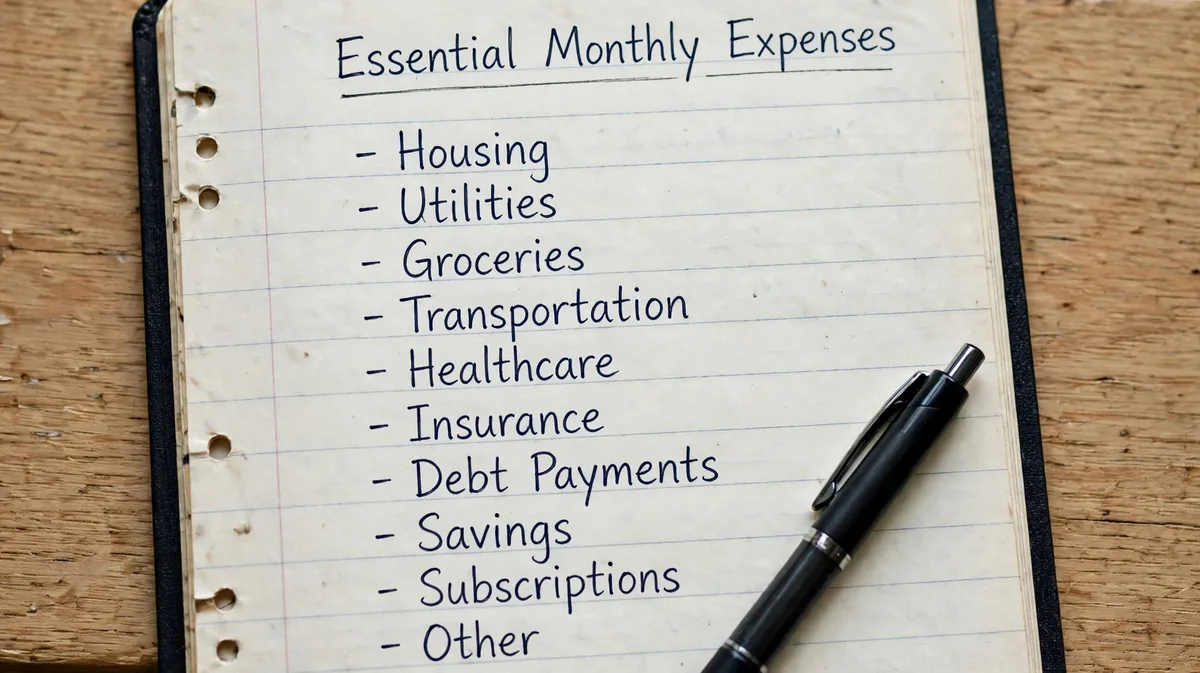
- Rent or mortgage payment
- Utilities such as electricity, water and phone
- Groceries and household essentials
- Insurance payments
- Necessary transport costs
- Minimum debt payments
- Childcare or dependent care
- Basic medical costs
Do not include dining out or spending you could cut for a short time. Your full target is usually 3 to 6 months of that essential total. People with a single income or dependents may aim for the higher end.
| Goal | Amount in example | Purpose |
|---|---|---|
| Starter goal | 500 to 1000 dollars | Covers a small surprise quickly |
| Three month target | 7500 dollars | Covers essentials for three months |
| Six month target | 15000 dollars | Covers essentials for six months |
Worked example: Suppose your essential monthly expenses add up to 2500 dollars. Multiply that total by 3 to get 7500 dollars. Multiply it by 6 to get 15000 dollars. You do not need to save it all at once. Build it in stages, starting with the starter goal.
Step 1: Set a Starter Goal You Can Reach Soon
A full target of several thousand dollars can feel out of reach, and that feeling stops many people from starting. A starter goal of 500 to 1000 dollars is more useful at first, because it covers many common surprises, such as a car repair or an urgent bill. Choose a starter number that feels possible in the next few months, write it down, and focus on that first.
Step 2: Work Out Your Full Target
Once you have a starter fund, work out your full target using the essential expenses list above. Add up one typical month of essentials, then multiply by the number of months you want to cover. Review it if your rent, childcare, or other essential costs change.
Step 3: Choose Where to Keep the Money
Keep emergency money in a separate savings account, away from your everyday checking account. When the money sits with spending money, it is easy to use it for ordinary purchases without noticing. Choose an account you can reach in a day or two. A high yield savings account is one option many people use, because it keeps the money accessible while it earns some interest. This article does not promise a rate, because rates change and depend on the provider.

Step 4: Automate Savings on Payday
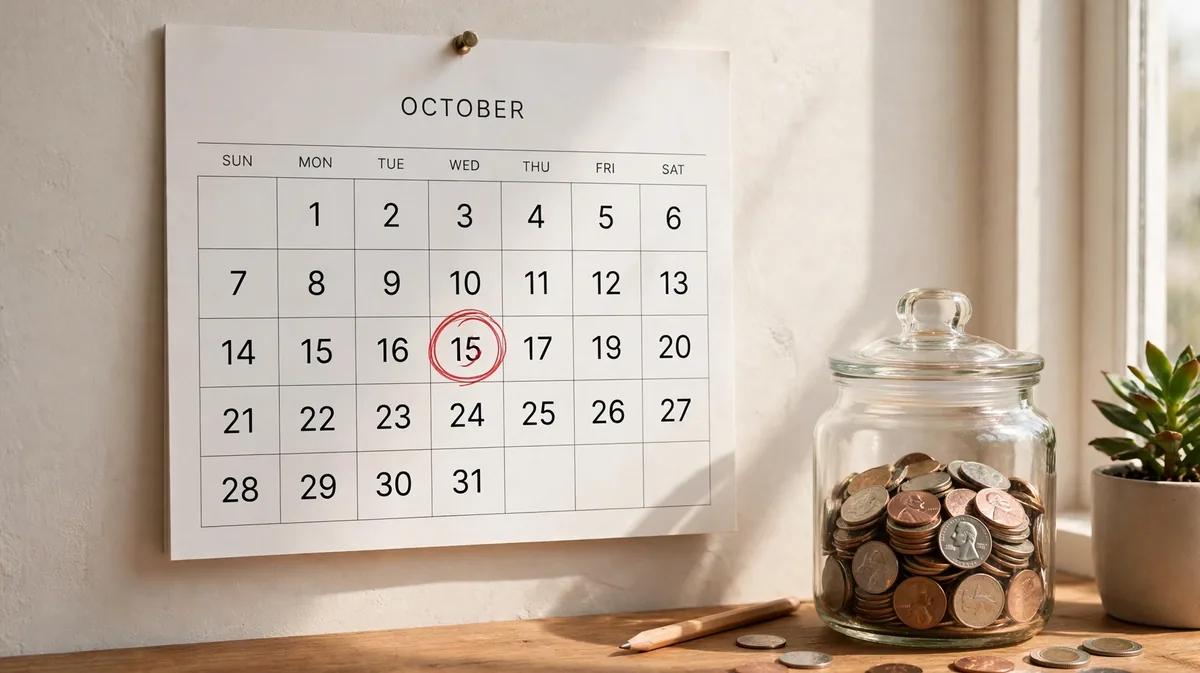
The simplest way to build an emergency fund is to automate it. Set up an automatic transfer on payday, so the money moves before you have a chance to spend it. Even 25 or 50 dollars per payday adds up over time. If your pay varies, set a minimum automatic amount you can keep even in a slow month, then add extra in a stronger month. A guide to how to manage cash flow in a small business explains why tracking money in and money out makes planning easier. Move the emergency transfer first, then plan the rest.
Step 5: Find Small Cuts and Use Windfalls Well
You do not need a dramatic lifestyle change to fund a starter goal. Look for one or two small cuts, such as pausing a subscription you rarely use or cooking two extra meals at home each week. Send the money you save straight to your emergency account on the same day you save it. Windfalls can speed things up. When you receive a tax refund, a bonus, or cash from selling unused items, send at least part of it to your emergency fund before it touches your spending account. A clear plan for growth still needs a cash buffer behind it, which is why a small business growth strategy works best when everyday cash needs are already covered.
What Counts as an Emergency and What Does Not?
Decide in advance what the fund is for, so you do not have to debate it under stress. These examples count as emergencies:

- Loss of a job or a sharp fall in income
- An urgent medical or dental cost you cannot delay
- A necessary car repair that keeps the car safe and usable
- A home repair that protects safety or basic living needs, such as a broken heating system or a leaking roof
These examples do not count as emergencies:
- A sale, a holiday, or a new gadget you want
- A planned bill you knew was coming, such as annual car tax or a birthday gift
- A routine upgrade you could save for separately
- A social event or a purchase you could delay
If you can see a cost coming and plan for it, save for it separately. That keeps your emergency fund ready for a true surprise.
Emergency Fund, Debt and Retirement: What Comes First?
Many people ask whether to build an emergency fund, pay extra debt, or save for retirement first. In general terms, a starter emergency fund often comes first, because without it, one surprise can force you back into debt. Keep your minimum debt payments current at all times. After the starter goal is in place, you can split extra money between growing the full target, paying down high cost debt faster, and adding to retirement savings. This is general education, not personal financial advice. If you are unsure, speak to a qualified financial adviser who can look at your full situation.
Emergency Fund for Freelancers and Variable Income
Freelancers and people with variable income need an emergency fund even more, because income can rise and fall from month to month. Save a fixed share of each payment as soon as it lands, before you spend it. In a strong month, build the fund faster. In a slow month, keep the minimum habit going. Track essential expenses separately from business expenses, so you know how many months your fund covers.
How to Use the Fund and Rebuild It
Using your emergency fund for a real emergency is not a failure. That is what the fund is for. Use it without guilt, pay the urgent cost, and keep a simple record of what you spent. Afterward, return to your automatic payday transfer and rebuild the balance over time. Review your target every 6 to 12 months, or sooner if your rent, income, or essential costs change.
Frequently Asked Questions

How much emergency fund should I have?
Start with 500 to 1000 dollars, then build toward 3 to 6 months of essential monthly expenses. Use your own essential total, not someone else’s number.
Is an emergency fund the same as savings?
No. General savings can be for planned goals such as a holiday or a purchase. An emergency fund is only for unexpected, necessary and urgent costs.
Where should I keep my emergency fund?
In a separate savings account you can reach in a day or two, away from everyday checking. Easy access matters more than chasing the highest possible return.
What if I cannot save much each month?
Start with a small automatic amount, such as 25 or 50 dollars per payday, and add small cuts and part of any windfall. Consistency matters more than the starting amount.
Should I use my emergency fund for a planned bill?
No. If you knew the bill was coming, save for it separately. Keep the emergency fund for true surprises.
How often should I review my emergency fund target?
Review it every 6 to 12 months, and sooner if your essential expenses, income, or household changes.
A Simple Place to Start
Start today with one small step. Open a separate savings account if you do not have one, set a starter goal of 500 to 1000 dollars, and automate a payday transfer you can keep. That single habit turns a vague worry about money into a clear plan you can build on month by month. For another clear step by step explanation of the same process, see this guide to how to build an emergency fund. Keep the fund for real emergencies, rebuild it after you use it, and review it regularly, so it is ready when you need it most.