
Elvis Presley Net Worth: How Much Was the King of Rock and Roll Worth?
Elvis Presley remains one of the most famous music stars in history. Fans around the world still enjoy his songs, watch his movies, and visit his former home, Graceland. His success made him a global icon, but his financial story was more complicated than many people realize.
When people search for Elvis Presley net worth, they often want to know how much money he had when he died, how he earned his fortune, and how his estate continues to make money today. Elvis earned millions through music, films, concerts, and merchandise. However, his spending habits, management fees, and other expenses affected his personal wealth.
Elvis died in 1977, so any estimate of his wealth at the time of his death differs from the value of his estate today. His music catalog, name, image, and Graceland continue to hold commercial value. Understanding his financial history helps explain how the King of Rock and Roll built a lasting legacy that extends far beyond his lifetime.
Elvis Presley Net Worth in 2026
The estimated Elvis Presley net worth at the time of his death was $5 million in 1977, according to estimates cited by Kiplinger and the Memphis Commercial Appeal. Adjusted for inflation, that amount represents tens of millions of dollars today. However, the exact figure remains uncertain because different sources use different methods to calculate his assets, debts, and estate value.
Elvis earned substantial money throughout his career. He sold millions of records, starred in Hollywood movies, performed for large audiences, and became one of the most recognizable entertainers in the world. Despite that success, he did not leave behind the enormous amount of readily available cash that many people might expect.
His financial story also changed dramatically after his death. His family and business partners developed Graceland into a major tourist attraction and expanded the commercial use of his name, image, and music-related rights.
Today, people often confuse Elvis’s personal net worth in 1977 with the present-day value of his estate and related businesses. These figures describe different things. His wealth at death reflects the financial position he left behind, while the modern Elvis business includes assets, commercial rights, and operations that have changed ownership over time.
Elvis Presley Net Worth at the Time of His Death
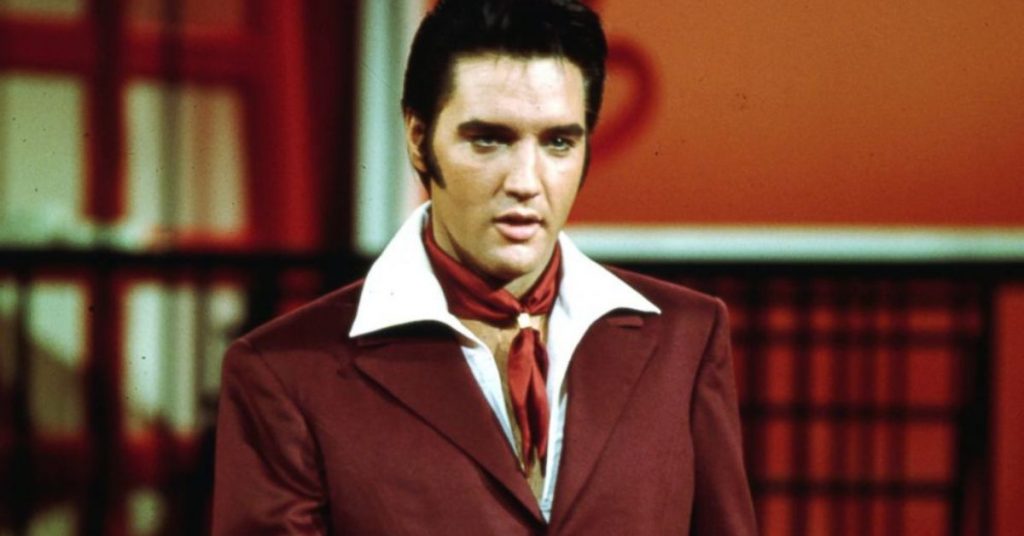
Elvis Presley died on August 16, 1977, at Graceland in Memphis, Tennessee, at the age of 42. His death shocked fans worldwide and left his family with the responsibility of managing his money, property, and professional legacy.
Many financial accounts place his estate’s value at approximately $5 million when he died. Although that figure sounds modest for a star of his popularity, it does not mean Elvis lacked valuable assets. He owned an impressive home, cars, personal belongings, and other property. The amount also needs context because an estate’s reported value can differ from the cash available to pay bills and taxes.
Elvis enjoyed an expensive lifestyle. He bought luxury cars, supported family members and friends, and spent heavily on personal interests. His divorce from Priscilla Presley also formed part of his financial history. His business arrangements with his manager, Colonel Tom Parker, further influenced how he earned and kept money.
According to Kiplinger, the estate faced financial pressure after his death, including substantial costs associated with Graceland. The property required ongoing maintenance and tax payments, which made it difficult for the family to preserve the estate without creating new income sources.
Elvis’s financial situation shows that high earnings do not automatically create lasting wealth. Long-term planning, careful spending, and strong business agreements matter just as much as income.
How Elvis Presley Built His Fortune
Elvis Presley built his fortune through music, live performances, movies, and commercial opportunities. His career began in the 1950s, when his energetic performances and distinctive sound helped transform popular music. He quickly became a household name and attracted fans across the United States and beyond.
His early recordings helped establish his reputation. Songs such as Heartbreak Hotel, Hound Dog, and Jailhouse Rock became major parts of his musical legacy. Record sales brought him income, while radio airplay and television appearances helped him reach new audiences.
Elvis also earned money through live shows. His stage performances drew large crowds, particularly during his return to live entertainment in Las Vegas and his later concert tours. His famous 1968 television special helped revive public interest in his music, while the 1973 satellite broadcast Aloha from Hawaii introduced his performance to an international audience.
Hollywood provided another important source of income. Elvis appeared in numerous films, many of which featured songs that supported his music career. Film contracts gave him additional earnings and kept his name in the public eye.
However, his income did not always translate into lasting wealth. His expenses, financial agreements, and business decisions affected how much money he retained. Even so, his wide-ranging career created the foundation for the commercial legacy that continues to generate revenue today.
Elvis Presley’s Income From Music and Record Sales
Music played a central role in Elvis Presley’s financial success. His recordings reached millions of listeners, and his songs remain popular decades after his death. His catalog includes rock and roll classics, gospel recordings, ballads, and country-influenced songs.
During his lifetime, Elvis recorded hundreds of songs and released music through several albums and singles. His record sales helped establish him as one of the most successful recording artists of his era. His songs also supported his film career because many of his movies included musical performances.
However, the way the music industry paid artists in Elvis’s time differed from today’s streaming-based business. Artists could receive payments through record sales, performance royalties, publishing arrangements, and contractual agreements. The exact amount depended on the rights involved and the terms of each deal.
One important financial detail concerns Elvis’s recording royalties. In 1973, he sold his future artist royalty rights for recordings made up to that point to RCA in exchange for a lump-sum payment. Kiplinger reports that the broader catalog transaction involved $5.4 million, with only $1.35 million going to the estate or trust.
This decision affected the income his estate could receive from those recordings later. It also explains why Elvis’s enormous record sales did not automatically leave his heirs with unlimited royalty income.
His music still creates commercial value through licensing, publishing rights, reissues, and other business arrangements. However, not every payment connected to an Elvis song goes to his family or estate. Ownership and royalty agreements determine who receives each share.
How Elvis Presley Earned Money From Movies
Elvis Presley expanded his career into Hollywood during the late 1950s. His first major film, Love Me Tender, arrived in 1956 and introduced him to movie audiences. He went on to star in numerous films, making acting another important part of his professional life.
His movies often combined romance, comedy, and music. Titles such as Jailhouse Rock, Blue Hawaii, Viva Las Vegas, and King Creole remain closely linked to his career. These films helped him reach people who might not have followed his music alone.
Movie contracts provided Elvis with another source of earnings. Studios paid him for his acting work, while film soundtracks helped promote his recordings. This arrangement allowed his music and movie careers to support each other.
However, the financial benefits of his film career require some context. A movie’s box-office success does not mean the lead actor receives all its profits. Studios, distributors, producers, and other parties take their agreed shares. An actor’s earnings depend on the contract, including any bonuses or profit participation.
Elvis also spent many years focusing on films rather than regular live performances. Some fans and critics believe this limited his musical development during part of the 1960s. Nevertheless, the movies strengthened his celebrity status and added to his lifetime earnings.
Today, Elvis-related films and television productions can still generate licensing revenue. The company that controls particular rights may earn money when it licenses footage, music, or his image. The estate’s current income therefore depends on the specific rights involved, rather than on every movie earning money for his heirs.
Elvis Presley Net Worth and the Role of Colonel Tom Parker
Colonel Tom Parker managed Elvis Presley’s career for many years. His decisions influenced Elvis’s concert bookings, recording agreements, film projects, and public image. Parker helped turn Elvis into an international star, but the business relationship also shaped the singer’s financial position.
Parker negotiated opportunities that kept Elvis in the spotlight. During the early years, he helped secure television appearances and recording opportunities. Later, he arranged film deals and concert engagements that maintained Elvis’s popularity.
However, Parker’s management style has attracted criticism from biographers and financial commentators. The structure of their agreements affected how Elvis divided his earnings with his manager. Such arrangements can have a major effect on a performer’s long-term wealth, especially when a manager receives a substantial share of income.
Elvis also relied heavily on Parker for career decisions. This relationship limited the singer’s control over some business opportunities. For example, Elvis never pursued an international concert tour outside North America, despite his worldwide fame. Parker’s personal circumstances and business interests have often formed part of discussions about that decision.
The financial consequences of their partnership were not limited to management fees. Elvis’s recording contracts and the sale of certain royalty rights also influenced his estate’s future income. His popularity created enormous earning potential, but the terms of commercial agreements determined how much value remained with him and his heirs.
It would be inaccurate to blame Parker alone for every financial problem Elvis faced. Personal spending, property costs, taxes, and other decisions also played a role. Still, their business relationship remains an important part of understanding why Elvis’s reported wealth at death was lower than many fans might expect.
Graceland: The Property That Helped Save Elvis’s Estate
Graceland is one of the most important parts of Elvis Presley’s legacy. Elvis purchased the Memphis property in 1957, and it became his main home. The mansion represents his personal life as well as his success as a musician.
After Elvis died, the estate faced a difficult financial situation. Maintaining Graceland cost money, and the family needed a reliable source of income to protect the property. Selling the mansion remained a possibility because the estate struggled to cover its expenses.
Priscilla Presley and the estate’s management team chose a different approach. They developed a plan to open Graceland to the public, allowing fans to visit the home and learn more about Elvis’s life. Graceland officially opened for tours on June 7, 1982. This decision helped turn the property into a lasting business.
Visitors can explore the mansion and see Elvis’s awards, costumes, cars, and other personal items. The wider attraction also offers exhibits and experiences connected to his career.
Graceland now serves as a major tourist destination. Its business activities include tours, merchandise, hospitality, and licensed Elvis-related experiences. These activities create revenue and help maintain his legacy.
However, Graceland’s commercial value does not equal Elvis’s personal net worth at death. The property forms part of a wider business structure with its own ownership and operating arrangements. Its earnings also cover expenses, staffing, maintenance, and other costs.
The mansion’s lasting appeal demonstrates how a historic home can become an important source of income when a family preserves its cultural value and develops it responsibly.
How Much Money Does the Elvis Presley Estate Make Today?
Elvis Presley continues to generate income decades after his death. His songs, image, name, and personal history remain valuable to entertainment companies, tourism businesses, and merchandise makers.
One important source of revenue comes from Graceland. Visitors pay to tour the mansion and explore exhibits connected to Elvis’s life. The attraction also earns money through related retail and hospitality activities. A 2025 report from the Los Angeles Times estimated that Graceland generated about $10 million annually, although this figure should not be confused with profit or the amount distributed to family members.
Licensing provides another source of income. Companies may pay for permission to use Elvis’s name, likeness, trademarks, or other protected material in approved commercial projects. His music can also generate royalties when the relevant rights remain under an applicable agreement.
Films, television programs, documentaries, and special events can create additional commercial opportunities. Renewed public interest often increases demand for Elvis-related content. For example, the 2022 film Elvis introduced his story to another generation of viewers and helped maintain interest in his life and career.
Still, the estate’s earnings do not all go directly to his descendants. The businesses involved must pay operating costs and follow the ownership and licensing agreements that govern each asset. Some rights have changed hands since Elvis’s death.
The result is a lasting commercial legacy. Elvis’s popularity continues to support businesses connected to his life and music, even though his original financial arrangements differ from those used by many artists today.
Read more for info: https://bussinology.com/net-worth/iggy-azalea-net-worth/
Elvis Presley Estate Value: How It Grew After His Death

The value of Elvis Presley’s estate changed significantly after 1977. At first, the family faced financial pressure. Over time, better management and new commercial activities helped turn the estate into a much stronger business.
Priscilla Presley played an important role in this process. After Vernon Presley died in 1979, the estate needed a long-term plan. Priscilla and other managers worked to protect Graceland and develop new sources of income. Opening the mansion to the public in 1982 became a major step toward financial stability.
The estate later expanded its activities through licensing, merchandise, music-related rights, and other entertainment ventures. According to Kiplinger, the estate’s value had grown to around $100 million by 1993, when Lisa Marie Presley reached the age at which she could control her inheritance.
A major business transaction followed in 2005. A filing with the U.S. Securities and Exchange Commission explains that CKX acquired an 85% interest in businesses associated with Elvis’s name and likeness, Graceland operations, and certain entertainment rights. The transaction covered commercial businesses rather than simply transferring ownership of every Elvis-related asset.
Later changes in ownership further complicated the picture. Different companies and family trusts have held interests in different parts of the business.
For this reason, there is no single figure that fully explains Elvis’s modern estate value. Estimates may refer to Graceland, licensing businesses, music rights, personal property, or the broader Elvis brand. Readers should check which assets each estimate includes before comparing figures.
Elvis Presley Net Worth Compared With His Earnings
Elvis Presley’s financial history highlights the difference between earning money and keeping wealth. During his career, he earned substantial sums from music, films, and concerts. Yet his reported estate value at death was much smaller than his lifetime earnings.
The following table summarizes the main financial figures reported by sources. These figures represent different measures and should not be treated as directly comparable.
| Financial detail | Reported figure |
| Estimated net worth at death in 1977 | $5 million |
| Estimated value adjusted for inflation | Tens of millions of dollars today |
| Estimated estate value in 1993 | $100 million |
| Reported annual Graceland revenue | About $10 million |
| CKX transaction in 2005 | $114 million for an 85% interest in related businesses and assets |
Figures refer to different years, assets, and business arrangements. Annual revenue is not the same as net profit, and a company transaction does not represent Elvis’s personal net worth.
The reported $5 million estate value reflects estimates of Elvis’s financial position when he died. By contrast, the $100 million figure describes the estate’s reported value after years of commercial development. The 2005 transaction reflects the price paid for an interest in particular businesses, while Graceland’s annual revenue measures money generated by its operations.
These distinctions matter because online articles sometimes combine the figures without explaining their differences. Doing so can create the false impression that Elvis personally owned all the assets associated with his name throughout his lifetime and after his death.
The most accurate way to understand his fortune is to consider both his financial position in 1977 and the later business success that helped preserve his legacy.
Who Inherited Elvis Presley’s Money?
Elvis Presley left his estate to his family through his will. His original beneficiaries included his father, Vernon Presley; his grandmother, Minnie Mae Presley; and his daughter, Lisa Marie Presley.
Vernon managed the estate after Elvis’s death, but he died in 1979. Minnie Mae died in 1980. These deaths left Lisa Marie as the sole heir under the arrangements described by Graceland’s official history. Elvis’s will required the estate to remain in trust until Lisa Marie turned 25 on February 1, 1993.
When Lisa Marie reached that age, she established the Elvis Presley Trust to continue managing the estate. Priscilla Presley remained involved in its development, although the structure of the business changed over time.
Lisa Marie later sold a major interest in Elvis Presley Enterprises in 2005. The transaction allowed outside investors to control a large share of the commercial business while she retained other interests, including ownership of Graceland and her father’s personal effects under the arrangements described by Graceland.
Lisa Marie Presley died in January 2023. Her family and estate arrangements subsequently became another part of the story surrounding Elvis’s legacy. Graceland’s official history identifies Riley Keough as the trustee responsible for her and her sisters’ 15% ownership interest in the relevant entities.
Inheritance does not mean that one person automatically receives every dollar generated by the Elvis brand. Different companies control different commercial rights, and trusts manage particular assets. The descendants’ interests therefore depend on the legal ownership structure rather than on Elvis’s fame alone.
Why Elvis Presley’s Fortune Still Attracts Attention
Elvis Presley remains a major figure in music history. His influence reaches across rock and roll, pop, gospel, country, and popular culture. His songs continue to attract listeners, while his personal story inspires films, books, documentaries, and television programs.
His financial history also offers lessons about celebrity wealth. Many people assume that a famous entertainer who sells millions of records must leave behind an enormous personal fortune. Elvis’s experience shows why that assumption can be misleading.
Income and wealth are not the same. A performer may earn millions but spend heavily, pay management fees, face taxes, or sign agreements that transfer future income rights to other parties. The value of an estate also depends on its debts, property, investments, and other assets at a particular time.
Elvis’s estate became more financially successful after his death because his family and business partners developed new ways to earn money from his legacy. Graceland became a tourist attraction, while licensing and entertainment projects expanded the commercial reach of his name.
His story also shows the importance of protecting intellectual property. A celebrity’s name, image, recordings, and related rights can remain commercially useful long after the person dies. However, the financial benefits depend on ownership and the terms of each agreement.
Ultimately, Elvis’s lasting influence extends beyond his reported net worth. His music continues to connect generations of fans, and the businesses associated with his legacy demonstrate the long-term value of cultural history.
Conclusion
Elvis Presley built an extraordinary career through music, films, concerts, and his powerful connection with fans. His estimated net worth at death stood at around $5 million in 1977, although estimates vary and the figure does not capture the full cultural or commercial value of his legacy.
His financial story changed after his death. Priscilla Presley and other estate managers helped turn Graceland into a successful attraction and developed additional sources of revenue through licensing and entertainment businesses. These efforts strengthened the estate and preserved Elvis’s legacy for future generations.
Today, the term Elvis Presley net worth can refer to several different things, including his personal wealth at death, the value of his estate, Graceland’s business, or the wider commercial value of the Elvis brand. Those figures are not interchangeable.
The most important lesson from Elvis’s financial history is that fame and high earnings do not guarantee lasting wealth. Financial planning, ownership rights, and careful management all play an important role in preserving a fortune. Elvis remains a music legend, and his enduring popularity continues to give his legacy remarkable value.
Frequently Asked Questions (FAQs)
What was Elvis Presley’s net worth when he died?
Elvis Presley had an estimated net worth of $5 million when he died on August 16, 1977. Financial commentators have reported this figure, although the exact value of his estate remains uncertain. Inflation adjustments put the amount at tens of millions of dollars in today’s money.
How did Elvis Presley make his money?
Elvis earned money through record sales, live concerts, movie contracts, and other entertainment activities. His fame also created commercial opportunities through merchandise and licensing. His financial agreements and personal spending influenced how much wealth he retained.
How much money does Graceland make each year?
A 2025 report from the Los Angeles Times estimated that Graceland generated approximately $10 million annually. This figure represents reported revenue, not necessarily profit or the amount received by Elvis’s descendants.
Who inherited Elvis Presley’s estate?
Elvis originally left his estate to his father, Vernon Presley; his grandmother, Minnie Mae Presley; and his daughter, Lisa Marie Presley. After the deaths of Vernon and Minnie Mae, Lisa Marie became the sole heir under the will’s arrangements. Later transactions changed the ownership of parts of the commercial business.
Does Elvis Presley’s estate still make money?
Yes. Businesses connected to Elvis continue to earn money through Graceland tourism, licensing, merchandise, and entertainment projects. However, different companies and rights holders control different assets, so not all Elvis-related revenue goes to his family.